The Arabic Letter Seen (س): Pronunciation, Writing & "س Meaning" | Madrasat Al Quran
Learn how to write and pronounce the letter Seen (the exact equivalent of s in Arabic). Discover the profound grammatical "س meaning" in the Holy Quran!
The Complete Guide to the Arabic Letter Seen (س): Pronunciation, Forms, and the Quranic "س Meaning"
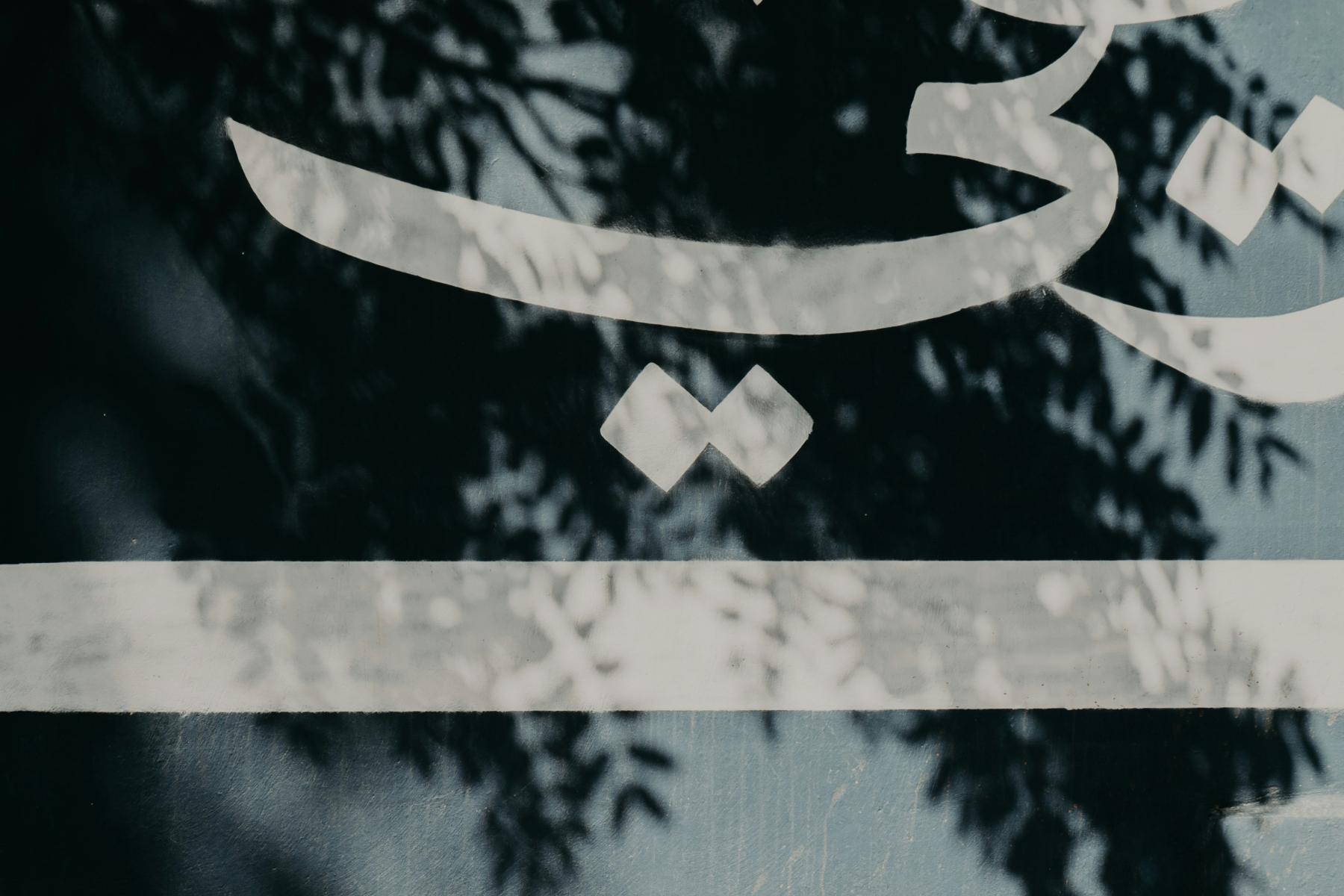
Learning the Arabic alphabet is the very first, beautiful step on your journey to reading the Holy Quran. Whether you are a parent trying to teach your children the basics or an adult beginner seeking to connect with the words of Allah, mastering each letter unlocks a new level of spiritual understanding.
At Madrasat Al Quran, our certified native Arab instructors specialize in making this journey simple, engaging, and deeply rewarding. Today, we are focusing on one of the most common and recognizable letters in the Arabic language: the letter Seen (س).
In this comprehensive guide, we will explore the exact pronunciation of the s in arabic, how to write the letter in its various forms (سـ, ـسـ, ـس), and uncover the fascinating grammatical س meaning when it is attached to verbs in the Holy Quran.
Phonetics: How to Pronounce the "s in Arabic"
If you are wondering what the exact equivalent of the English letter "s" in Arabic is, look no further than the letter Seen (س).
Unlike some guttural Arabic letters that require entirely new throat movements for non-native speakers (like 'Kha' or 'Ayn'), the letter Seen is incredibly easy to master.
-
The Pronunciation: The letter Seen (س) produces a sharp, clear, and hissing "S" sound, identical to the "S" in the English words "Sun," "Smile," or "Salam."
-
Articulation Point (Makhraj): In Tajweed, the sound is produced when the tip of your tongue gently touches the back of your lower front teeth, allowing the air to flow out smoothly.
When searching for the s in arabic, it is important not to confuse the light letter Seen (س) with the heavy letter Sad (ص). While both are "S" sounds, the Sad (ص) is pronounced with a full, elevated mouth, whereas the Seen (س) is always pronounced with a flat, light tongue (smiling position).
🚀 Master the Arabic Alphabet with Madrasat Al Quran
Reading about the s in arabic and the profound grammatical س meaning is a great first step, but the Arabic language is meant to be spoken, heard, and perfected with a guide.
Do not let the fear of a new alphabet keep you or your children away from the Book of Allah. At Madrasat Al Quran, we turn beginners into confident readers through highly interactive, 1-on-1 online sessions.
👉 Book Your FREE Arabic Evaluation Trial Today! (Meet with a certified, native Arab tutor. Whether you need to learn the Noorani Qaida from scratch or want to dive into Quranic grammar and vocabulary, we will build a personalized roadmap for you—completely free of charge!) |
Writing the Letter Seen (س)
Arabic is a cursive language, meaning letters connect to each other and change their shapes depending on their position in a word. The letter Seen is famous for its "three teeth" (or three small peaks).
Here is how the s in arabic changes its form:
-
Isolated Form (س): When written alone, it starts with three small teeth and ends with a deep, sweeping bowl that dips below the writing line.
-
Initial Form (سـ): When placed at the beginning of a word (like س*), the deep bowl is dropped, and the letter connects to the next one using a flat tail. Example: سَمَاء (Samaa' - Sky).
-
Medial Form (ـسـ): When placed in the middle of a word (like س), it connects from both sides, keeping its three distinct teeth. Example: مَسْجِد (Masjid - Mosque).
-
Final Form (ـس): When at the end of a word (like *س), it connects from the right side and finishes with its original deep bowl. Example: شَمْس (Shams - Sun).
The Grammatical Marvel: What is the "س Meaning"?
While Seen is a standalone letter, it plays a massive grammatical role in the Holy Quran. Many beginners ask about the س meaning when they see it attached to the very beginning of a word.
In Arabic grammar, when the letter Seen (سَـ) is attached as a prefix to a present tense verb, it completely changes the meaning of the word.
The س Meaning as a Prefix
The س meaning, when used as a prefix, translates to "will" or "shall" for the near future. It is a particle of futurity.
Let’s look at a profound example from the Holy Quran to understand this س meaning:
-
The verb يَعْلَمُونَ (ya'lamoon) means: "They know" (Present tense).
-
If we add the prefix Seen to it, it becomes سَيَعْلَمُونَ (sa-ya'lamoon).
-
The س meaning instantly changes the translation to: "They WILL know." (Found in Surah An-Naba: Kalla sa-ya'lamoon - "No! They will come to know").
This tiny letter is a powerful tool in Quranic Arabic, used by Allah to make definite, upcoming promises or warnings. Understanding this single س meaning allows you to instantly recognize future tense verbs on almost every page of the Quran!
Frequently Asked Questions (FAQs)
Q1: What is the letter for s in Arabic? The exact equivalent for the light s in arabic is the letter Seen (س). It is the 12th letter of the Arabic alphabet and is pronounced just like the "s" in "snake."
Q2: Does the "س meaning" change if it is a standalone letter vs. a prefix? Yes! As a standalone letter inside a noun (like Shams - Sun), it is just a phonetic sound. However, the specific grammatical س meaning comes into play when it is attached to the beginning of a present tense verb (like Sa-yakool - He will say), where it translates to "will" for the near future.
Q3: How do I stop confusing the s in Arabic (Seen) with Sad (ص)? This is a common struggle. The s in arabic (Seen - س) is a "smiling letter"—your mouth should be flat and relaxed. The letter Sad (ص) is an "elevated letter"—your mouth should be full and round, producing a thick, heavy "S" sound. Listening to a certified teacher is the best way to master this difference.
🚀 Master the Arabic Alphabet with Madrasat Al Quran
Reading about the s in arabic and the profound grammatical س meaning is a great first step, but the Arabic language is meant to be spoken, heard, and perfected with a guide.
Do not let the fear of a new alphabet keep you or your children away from the Book of Allah. At Madrasat Al Quran, we turn beginners into confident readers through highly interactive, 1-on-1 online sessions.
👉 Explore Our Online Noorani Qaida & Arabic Courses (Discover flexible, affordable online packages designed to take you and your family from zero to fluent Quranic reading.) |