
Hajj: The Pilgrimage to Mecca
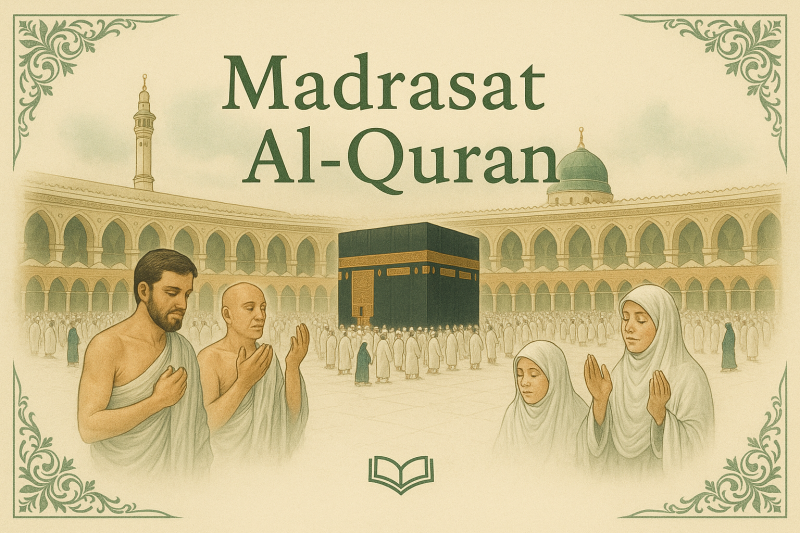
Hajj is the annual pilgrimage to Mecca that every Muslim must perform at least once in their lifetime if they are physically and financially able. It takes place in the Islamic month of Dhu al-Hijjah and is the fifth Pillar of Islam, symbolizing submission to Allah. During Hajj, pilgrims wear simple white garments (Ihram) to emphasize equality before God. They perform a series of rites over several days: circling the Ka’bah (Tawaf), walking between the hills of Safa and Marwah, standing on the Plain of Arafat in prayer (Wuquf), and participating in the symbolic stoning of pillars in Mina. These rituals commemorate the faith and obedience of prophets Abraham (Ibrahim), Hagar, and Muhammad (pbuh), and represent sacrifice, humility, and unity.
Hajj powerfully demonstrates ummah (the global Muslim community) unity. Every year, “millions of Muslims gather from all over the world. They represent the Muslim ummah with all its different races, countries, colors, and languages. They gather in one place, at the same time, wearing the same garment and performing the same rites”. In this way, social differences dissolve, and all stand equal before Allah. The Prophet ﷺ said that the performance of Hajj cleanses a person of all past sins, as if reborn. It is a profound spiritual journey: pilgrims supplicate for forgiveness and renewal of faith at the holiest sites in Islam.
Key Takeaways: - Hajj is a sacred duty for all capable Muslims and a powerful symbol of faith and unity.
The pilgrim’s journey through Mecca (including the Ka’bah, Arafat, Mina, etc.) follows the footsteps of the Prophet and the Prophets before him.
Hajj rituals emphasize equality, devotion, and remembrance of Allah; the experience cleanses sins and deepens one’s commitment to Islamic values.
American Muslims participate through official Hajj agencies and often share the experience to inspire their community’s faith.